Writing
Read.
Practical guides to the six AI-augmented pipelines I use: how each one works, step by step, so you can use it too.
All articles · 10
 Interviews first, screens laterHow I turn a pile of user interviews into a foundation the whole team can build on, before anyone opens Figma.
 Figma and code, one systemWhy design systems drift apart from the code, and how I keep both sides in sync without anyone copying anything by hand.
 Start from a layout that worksYou do not need to invent a new structure to get a site that feels like yours. Borrow the layout, then make everything else your own.
 An MVP in two weeksHow I get from an idea to a clickable front end in two weeks, by looking at what already works before building anything.
 Motion that ships as designedAnimation is the first thing to get lost between design and development. Here is how I specify it so it survives.
 UI code developers can useWhy I deliver finished screens as code in your stack, so your developers spend their time on logic, not on rebuilding pixels.
 How I test a design systemI am not an engineer, so I cannot read the code line by line. Here are the checks that tell me if the code still matches Figma.
 Prompting Figma's AI agent for exact screensFigma's agent builds screens fast and guesses badly. Here is the prompt I use to give it exact numbers, and to check what it built.
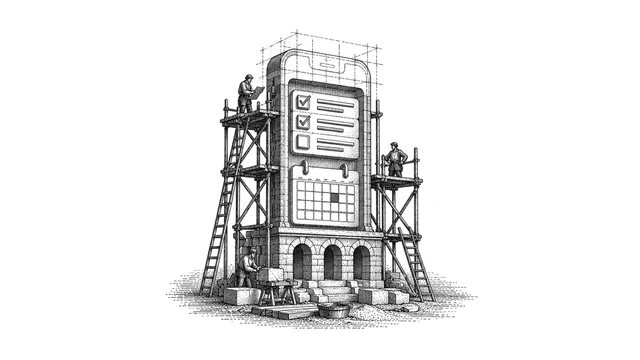 Setting up a native iOS app with Claude CodeI am a designer who writes no production code. Here is how I set up a native iOS project so Claude Code does the work, and what I check.
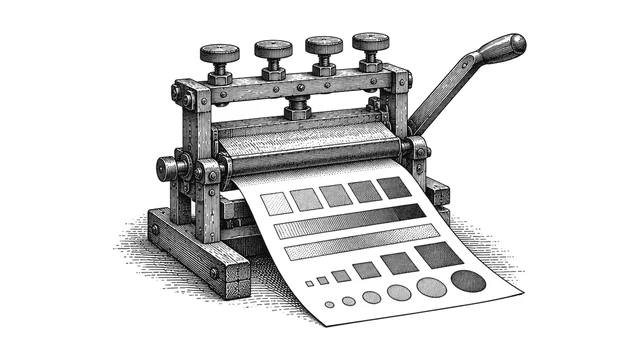 I built a Figma plugin with promptsA quick experiment in Claude Code turned into a working Design Token Builder. Here is how it happened, step by step.